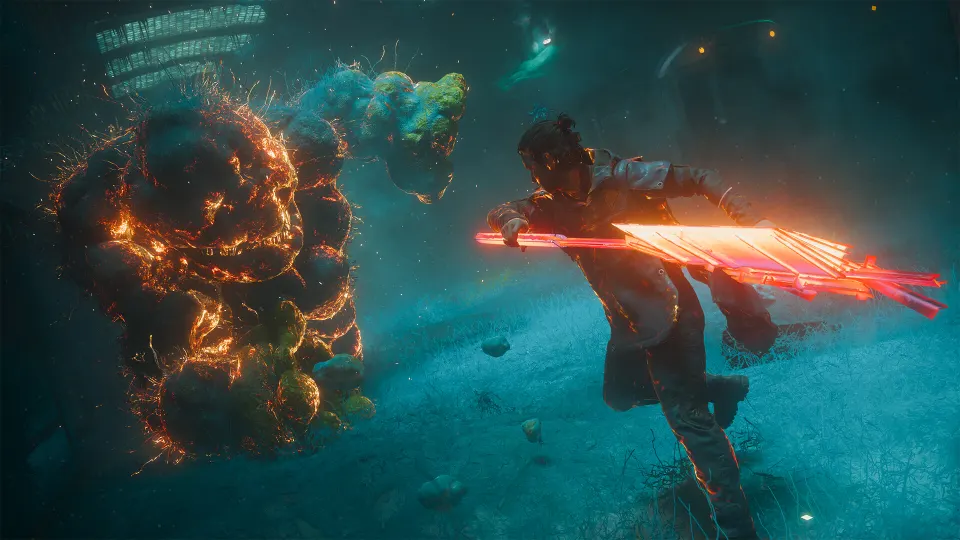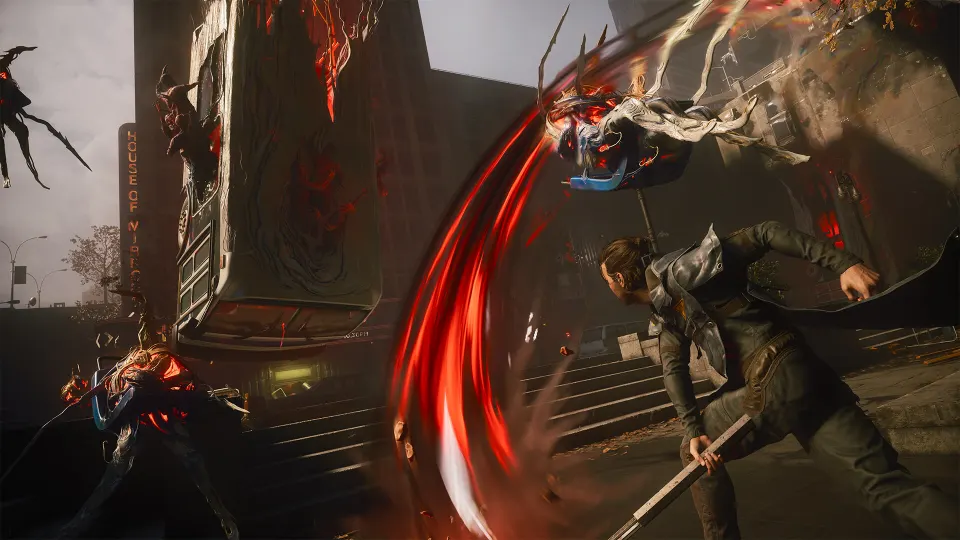
Best Weapons at a Glance
The best weapon setup matters because Dylan’s Aberrant is his main damage tool, and each form changes how he handles enemies. There is no single loadout that wins every fight, but Cleave plus Crush is the safest all-purpose recommendation for a first playthrough.
Pick a primary form for your regular light attacks, a secondary form for heavier attacks and utility, and a Combo Finisher to complete the build. A good loadout covers both groups and durable enemies instead of chasing damage on a single target type.
| Role | Best pick | Why it stands out | Main trade-off |
|---|---|---|---|
| Best all-round primary | Cleave | Balanced speed, damage, back-hit bonuses, and Lift synergy | Less specialized than Strike or Glaive |
| Best single-target primary | Strike | Fast attacks, critical hits, and quick access to finishers | Short range and weak crowd control |
| Best crowd-control primary | Glaive | Wide swings, strong raw damage, and Power generation | Slower attacks and fewer critical hits |
| Best general secondary | Crush | High Falter, armor breaking, and strong stagger potential | Requires commitment and charge timing |
| Best boss secondary | Drill | Sustained hits, Weaken synergy, and sharp damage | Narrow line of attack |
| Best ranged crowd-control secondary | Extend | Broad reach, cone coverage, and perfect-charge damage | Less specialized against armored targets |
Cleave and Crush work especially well when learning the game. Cleave rewards positioning without demanding perfect critical-hit timing, while Crush creates openings through Falter. If you prefer a faster, more aggressive style, Strike and Drill are an excellent alternative.
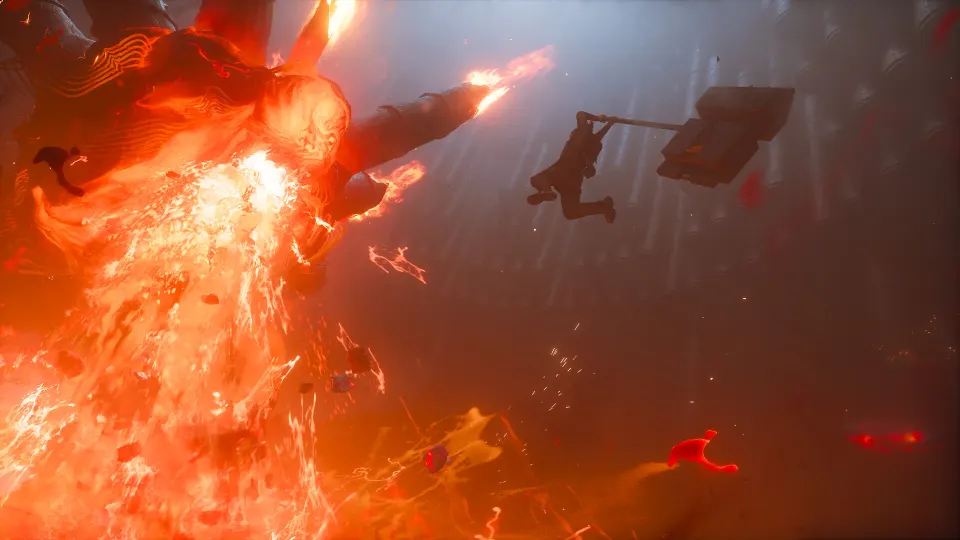
Primary Forms: Choose Your Core Style
Your Primary Form determines Dylan’s light-attack pattern and how quickly he reaches a Combo Finisher. It is the weapon you use most often, so choose it based on the combat situations you find hardest.
| Primary Form | Best for | Key strengths | Consider before choosing |
|---|---|---|---|
| Strike | Elite enemies and critical builds | Fastest attacks, strong crit focus, faster combo chains | Can struggle when surrounded |
| Glaive | Enemy packs and ability-focused play | Wide arcs, area damage, Power generation | Slower and less precise |
| Cleave | Flexible and Falter-focused builds | Back-hit damage, Lift effects, balanced performance | Requires positioning for maximum value |
Strike is the strongest primary for players who like dodging into close range and maintaining pressure. Its rapid swings build toward finishers quickly, and its critical-hit focus improves its damage ceiling. Pair it with a secondary weapon that solves its crowd-control weakness, such as Crush or Extend.
Glaive is the best answer to dense groups. Its sweeping attacks clear space around Dylan and can hit multiple enemies before a wide-area finisher. It is also a natural fit for combat-ability builds because it supports Power generation. Choose Glaive if you value control and room to breathe over speed.
Cleave is the most forgiving primary. It lands between Strike’s speed and Glaive’s coverage, then adds bonus damage from behind. Its Lift interactions help control dangerous targets, making it a strong foundation for Falter and execution-focused builds.
For a first primary-form decision, use this shortcut:
- Choose Strike if bosses and elite targets are your priority.
- Choose Glaive if enemy swarms keep overwhelming you.
- Choose Cleave if you want dependable performance in nearly every encounter.
Secondary Forms and Combo Finishers
Secondary Forms provide the heavy attack that complements your primary weapon. They can build Falter, crack defenses, apply useful effects, or cover range limitations. Do not evaluate them only by raw damage; the best secondary often creates the opening your primary needs.
| Secondary Form | Damage type and role | Best matchup | Recommended partner |
|---|---|---|---|
| Crush | Blunt, Falter, armor break | Armored foes and stun windows | Cleave or Glaive |
| Drill | Sharp, sustained damage, Weaken | Bosses and protected targets | Strike |
| Extend | Raw damage, reach, area control | Clusters and airborne threats | Cleave or Strike |
Crush is the best secondary for most players. Its hammer strikes deal exceptional Falter damage, can break armor, and create safe execution opportunities. Its charge requirement makes it less flexible under pressure, but a successful heavy strike can change the flow of a fight.
Drill excels against sturdy single targets. Holding the attack after it connects sustains pressure, and its Sharp damage gives it useful applications against shielded enemies. Drill also supports builds that exploit Weakened targets with combat abilities or status effects.
Extend fills the gap between melee and ranged control. Its sectional reach can hit several enemies in front of Dylan, while a properly timed charged strike adds damage and Falter. Take it when your primary form lacks reach or when mobile enemies are giving you trouble.
Combo Finishers unlock after raising Aberrant Strength through weapon upgrades. They trigger when you complete a light-attack chain and continue the input, so they reward consistent primary-form play.
| Combo Finisher | Best use | Strong pairing |
|---|---|---|
| Concussive Beatdown | Direct damage and Falter | Strike or Cleave |
| Uppercut Surge | Lifted targets and Power recovery | Cleave |
| Wide Edge | Burst damage across a broad area | Glaive |
| Spin Edge | Repeated hits and sustained pressure | Strike or status builds |
| Split Pivot | Critical hits, Weaken, and Burn effects | Drill |
| Split Orbit | Ongoing area pressure around Dylan | Glaive |
Wide Edge and Spin Edge are excellent general finishers, but the best choice depends on your plan. Use Concussive Beatdown when you want to fill Falter bars, Uppercut Surge for Lift synergy, and Split Pivot when building around status effects.

Recommended Weapon Builds
The strongest builds use each weapon to cover another weapon’s weaknesses. Start with one of these packages, then adjust after unlocking more Forms and upgrades.
| Build | Primary | Secondary | Finisher | How it plays |
|---|---|---|---|---|
| Reliable beginner | Cleave | Crush | Concussive Beatdown | Stagger enemies, capitalize on openings, and use back attacks |
| Critical duelist | Strike | Drill | Spin Edge | Stay close, dodge often, and pressure bosses with rapid hits |
| Crowd controller | Glaive | Extend | Wide Edge | Keep groups at range and clear space with broad attacks |
| Falter specialist | Cleave | Crush | Uppercut Surge | Lift targets, build Falter, and set up executions |
| Status damage | Strike or Cleave | Drill | Split Pivot | Apply Weaken and stack status-based damage opportunities |
The Cleave, Crush, and Concussive Beatdown build is the best place to start. Cleave provides reliable light attacks, Crush rapidly pushes enemies into Falter, and the finisher adds even more stagger pressure. It is effective without requiring a highly specific upgrade path.
The Strike, Drill, and Spin Edge build is better for experienced players. Strike’s speed gets you into finishers quickly, while Drill keeps pressure on bosses and heavy enemies. It has less room for error, so use dodges to avoid getting trapped by groups.
The Glaive, Extend, and Wide Edge setup is ideal for exploration and combat arenas with frequent packs. Glaive controls the immediate area, Extend reaches targets outside your normal swing range, and Wide Edge turns a completed combo into a major area attack.
Weapon choices are not permanently locked forever. In the Gap, you can unlock additional forms with Living Shards and change your equipped loadout through the menu. Reset Items also allow you to revise an individual weapon tree, combat ability, or talent path.
Spend upgrades even on Forms you are not currently using when resources allow. Aberrant Strength rises from weapon-tree upgrades and improves Dylan’s overall combat power, damage, and Falter potential.
FAQ
What are the control resonant best weapons for beginners?
Cleave and Crush are the best beginner-friendly choices. Cleave offers balanced attacks and positional damage, while Crush provides high Falter damage, armor breaking, and valuable stun opportunities.
Is Strike better than Cleave?
Strike is better for fast critical-hit builds and focused boss damage. Cleave is better if you want a more flexible weapon with Lift synergy, stronger positional play, and fewer weaknesses in normal encounters.
Which secondary weapon is best for bosses?
Drill is the best boss-focused secondary weapon because it can maintain damage after connecting and supports Weaken-based strategies. Crush is also strong when you need to build Falter quickly instead.
Can you change weapons later?
Yes. Additional Aberrant Forms can be unlocked in the Gap using Living Shards, and you can equip a different unlocked form from the Loadout menu. Reset Items can rework individual weapon trees if you want to change your build direction.
What is the best Combo Finisher?
There is no universal winner. Concussive Beatdown is excellent for Falter, Wide Edge is strong for groups, Spin Edge supports repeated-hit builds, and Split Pivot is the best fit for critical-hit and status-effect setups.